Learn Music the Fun Way with the Smiley Note Method
Music theory doesn’t have to be confusing or boring — especially for kids.
The Smiley Note Method teaches music theory for kids in a simple, visual, and playful way, using friendly characters, stories, and short activities that children actually enjoy.
This page is designed for:
children learning music for the first time
parents with little or no musical background
teachers looking for fun, beginner-friendly resources
Whether your child is learning guitar, piano, or any instrument, understanding the basics of music helps them feel confident, creative, and excited to learn.
This method is also widely used by music teachers and classroom educators as a ready-to-use resource for group lessons, school programs, and beginner music classes.
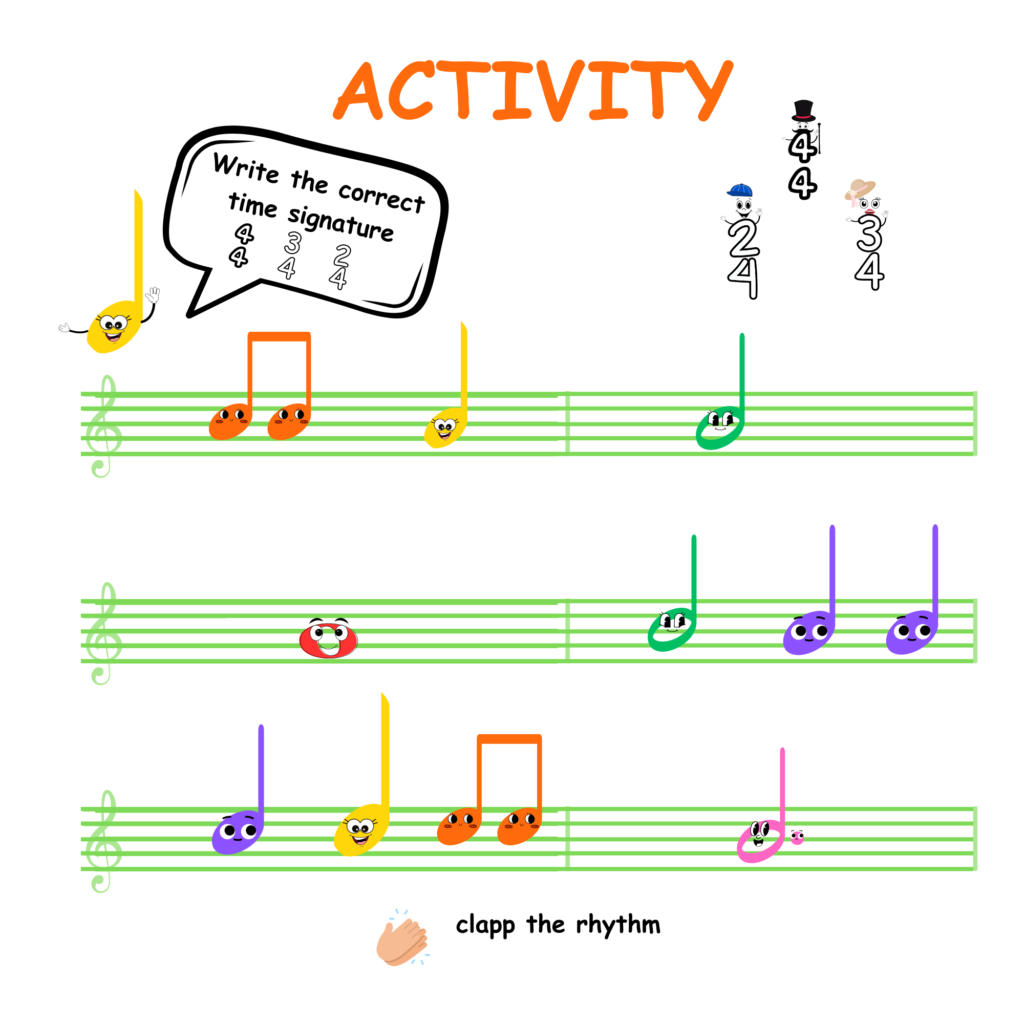

What Is Music Theory for Kids?
Music theory for kids is about learning how music works in a way children can understand and enjoy.
Instead of long explanations or exams, children learn music theory through:
pictures and colours
friendly characters
short, fun activities
repetition that feels like play
Lessons are:
age-appropriate
visual
easy to remember
stress-free
With the Smiley Note Method, music theory is not scary or confusing.
It becomes something children pick up naturally, building confidence and curiosity as they learn.
The Smiley Note Method (What Makes It Different)
The Smiley Note Method was created by a music teacher to help children enjoy music theory, not struggle with it.
✨ What makes this method special:
friendly characters (Smiley Note & friends)
simple language children understand
short lessons that fit young attention spans
no pressure, no exams, no stress
suitable for both home learning and classrooms
Children don’t just memorise — they understand.
What Kids Learn with Smiley Note
⭐ Rhythm (Long & Short Sounds)
Children learn:
what rhythm is
the difference between long and short sounds
basic note values through stories and visuals
Rhythm is the foundation of all music — and kids love clapping, tapping, and playing with it.
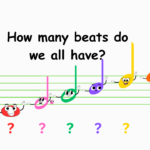
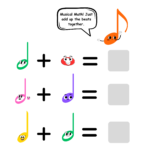
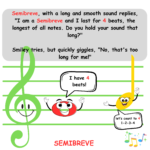
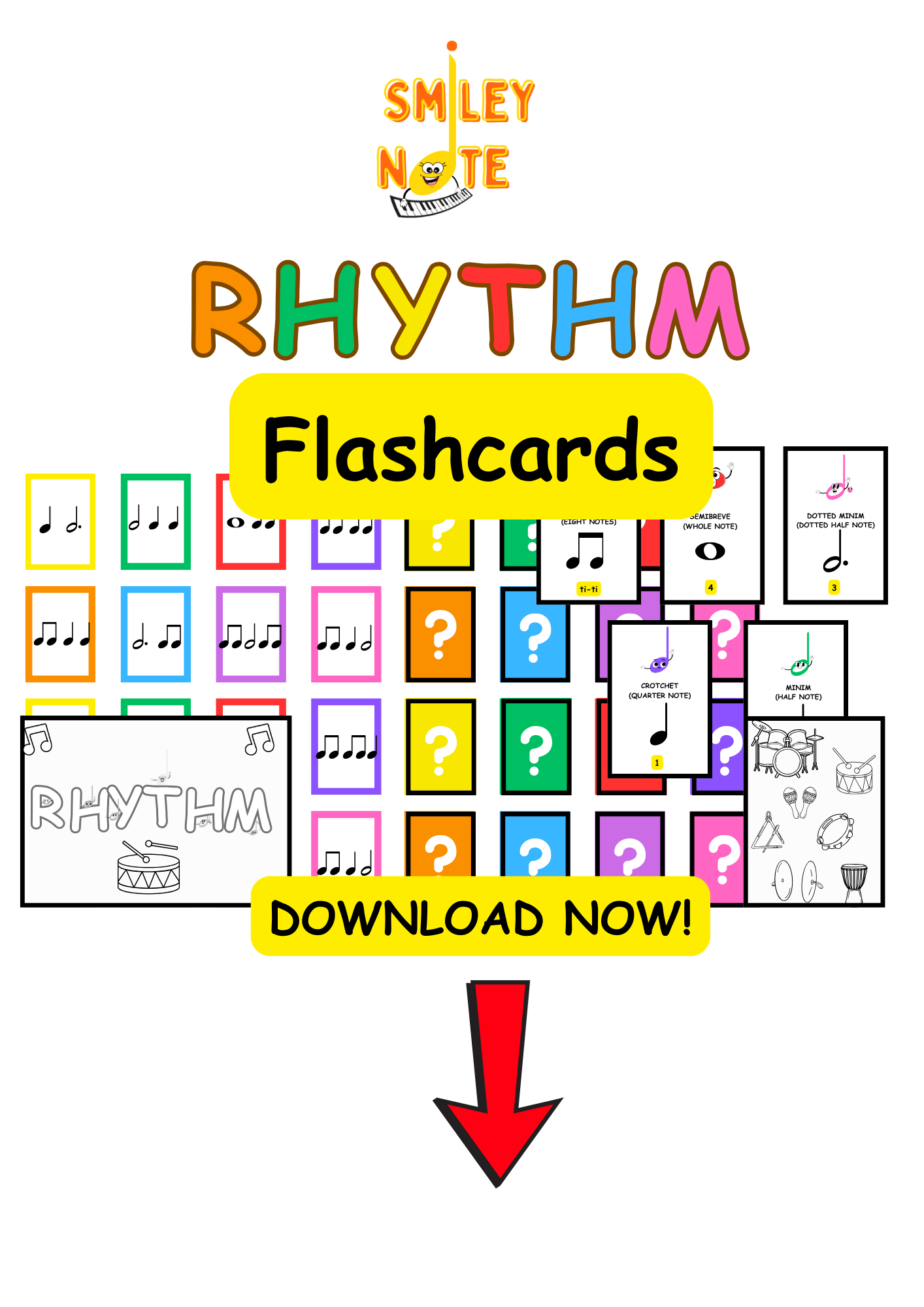
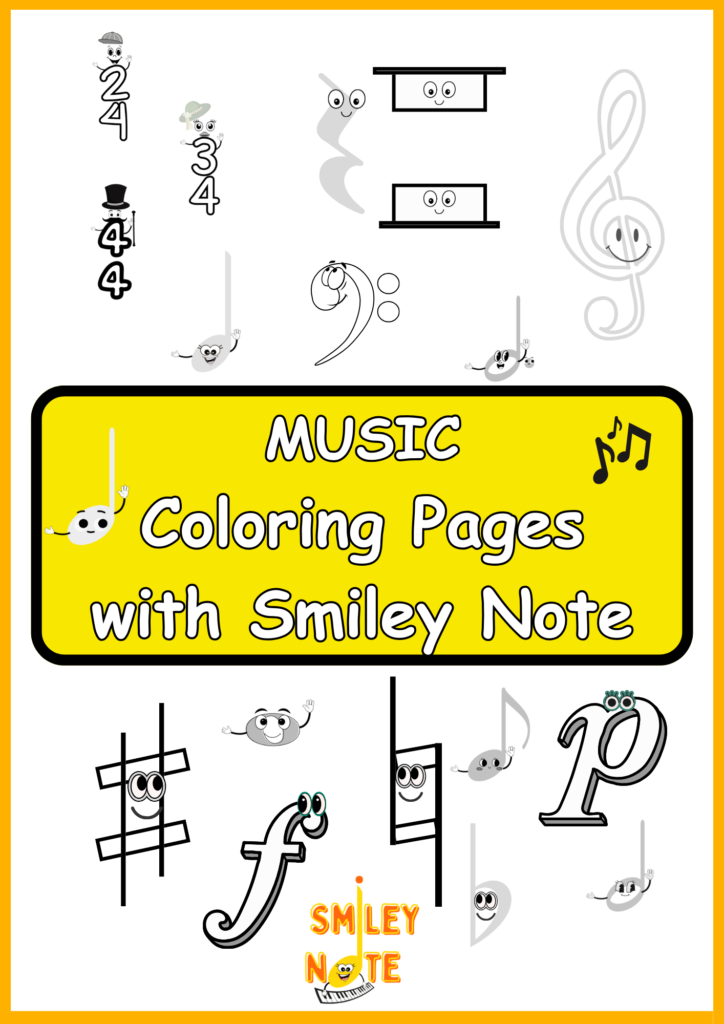
Rhythm Flashcards – Printable PDF (+ Coloring page)
Make learning rhythm fun and engaging with these Rhythm Flashcards, designed to help children recognize and clap basic rhythmic patterns!.
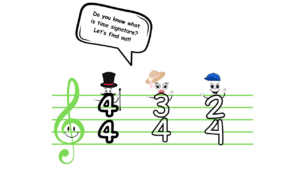
⭐ Music Notes on the Staff
Kids learn:
how music is written
what lines and spaces are
how to recognise note names in a fun, friendly way
Notes are introduced step by step, using clear visuals and simple explanations — perfect for beginners.
⭐ Treble Clef & Bass Clef (Made Simple)
Instead of complicated explanations, children learn:
what the treble clef is
what the bass clef is
how high and low notes work
Everything is explained using characters and simple comparisons kids relate to.
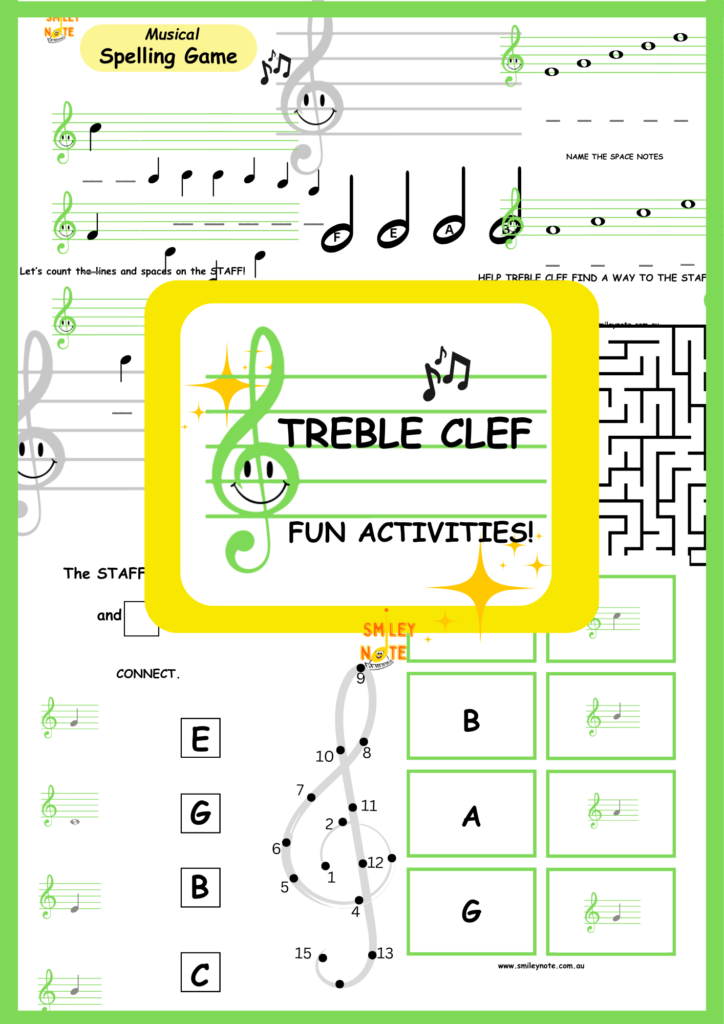
Watch TREBLE CLEF
Fun Activities
Shop Treble Clef
Fun Activities
Watch BASS CLEF
Learn Music Notes in Bass Clef
Bass Clef
Fun Activities

⭐ Tempo – Fast and Slow Music
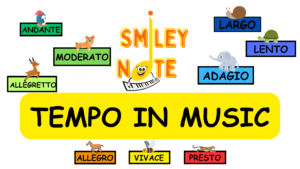
With Smiley Note, children learn that music can be fast or slow.
Kids explore:
fast music and slow music
how tempo changes the feeling of a song
when to play quicker or slower
Tempo is taught through movement, clapping, and listening — helping children feel the music, not just think about it.
Music isn’t always the same volume, and kids love discovering this.
Children learn:
loud and soft sounds
how music can grow louder or quieter
how dynamics make music exciting and expressive
Smiley Note uses simple words, pictures, and activities so children understand dynamics in a natural and playful way.
⭐ Rests – When Music Is Quiet
Rests teach children that silence is part of music too.
Kids learn:
when to stop and listen
how long to stay quiet
why rests are important in music
Through fun games and examples, children discover that rests help music breathe and make rhythms clearer.
⭐ Pitch – High and Low Sounds
Pitch helps children understand high and low sounds in music.
With Smiley Note, kids learn:
the difference between high and low notes
how pitch moves up and down
how pitch works on instruments and voices
Pitch is explained using simple comparisons children understand, making it easy and enjoyable.
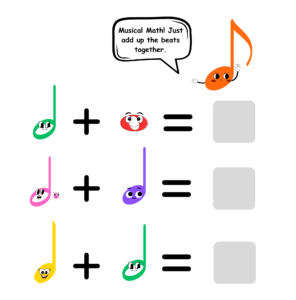
⭐ Musical Maths – Counting in Music
Music and maths go hand in hand — and kids learn this naturally.
Children explore:
counting beats
simple note values
patterns and repetition in music
This gentle introduction to musical maths supports both music learning and early numeracy skills, without pressure or confusion.
⭐ ♯ Sharps and ♭ Flats – Higher and Lower Notes
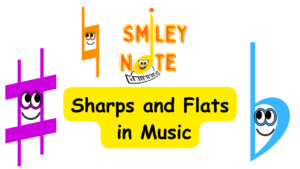
With Smiley Note, children learn that some notes can sound a little higher or lower.
Kids discover:
what sharps (♯) and flats (♭) mean
how sharps make a note sound higher
how flats make a note sound lower
Sharps and flats are introduced gently, using clear visuals, simple language, and fun examples — so children understand the idea without feeling overwhelmed.
This helps beginners recognise different sounds and prepares them for playing songs on any instrument with confidence.
Free Music Theory Resources for Kids
Learning music should be accessible to every child.
On Smiley Note, you’ll find:
printable activities
👉 Explore Free Music Printables for Kids
Fun Music Resources
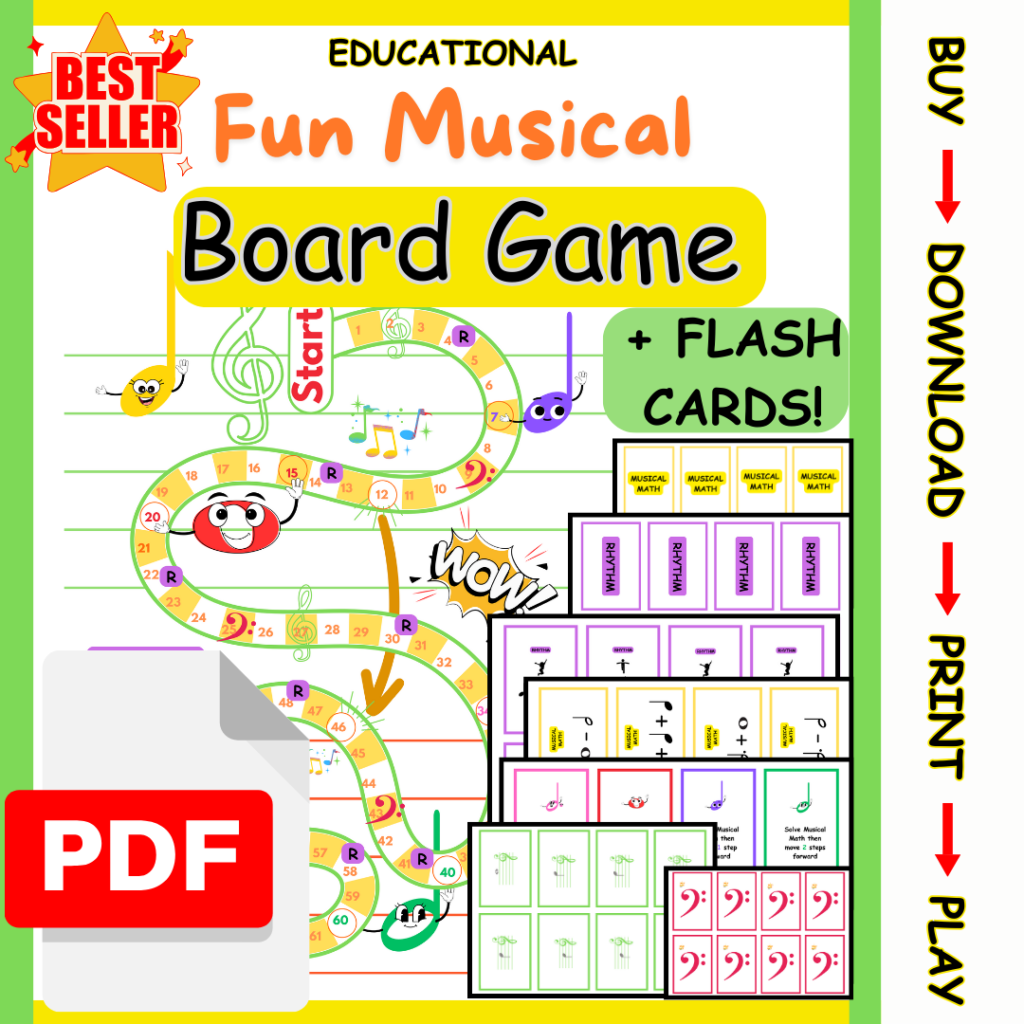
Printable Music Theory Resources (Shop)


Music Theory Resources for Teachers
he Smiley Note Method is designed to support teachers as well as families.
Music educators use Smiley Note resources to:
teach music theory in group lessons
support beginner instrumental programs
introduce rhythm and note reading in classrooms
engage young learners with visual and playful materials
Resources are:
printable
classroom-tested
suitable for individual or group teaching
aligned with early music learning outcomes

Why Learning Music Theory Helps Children
Learning music theory helps children understand how music works, making learning instruments easier and more enjoyable.
It supports:
confidence and understanding
focus, listening, and memory
creativity and self-expression
smoother progress on instruments
When taught in a fun and simple way, music theory reduces frustration and helps children build a positive, lifelong relationship with music.
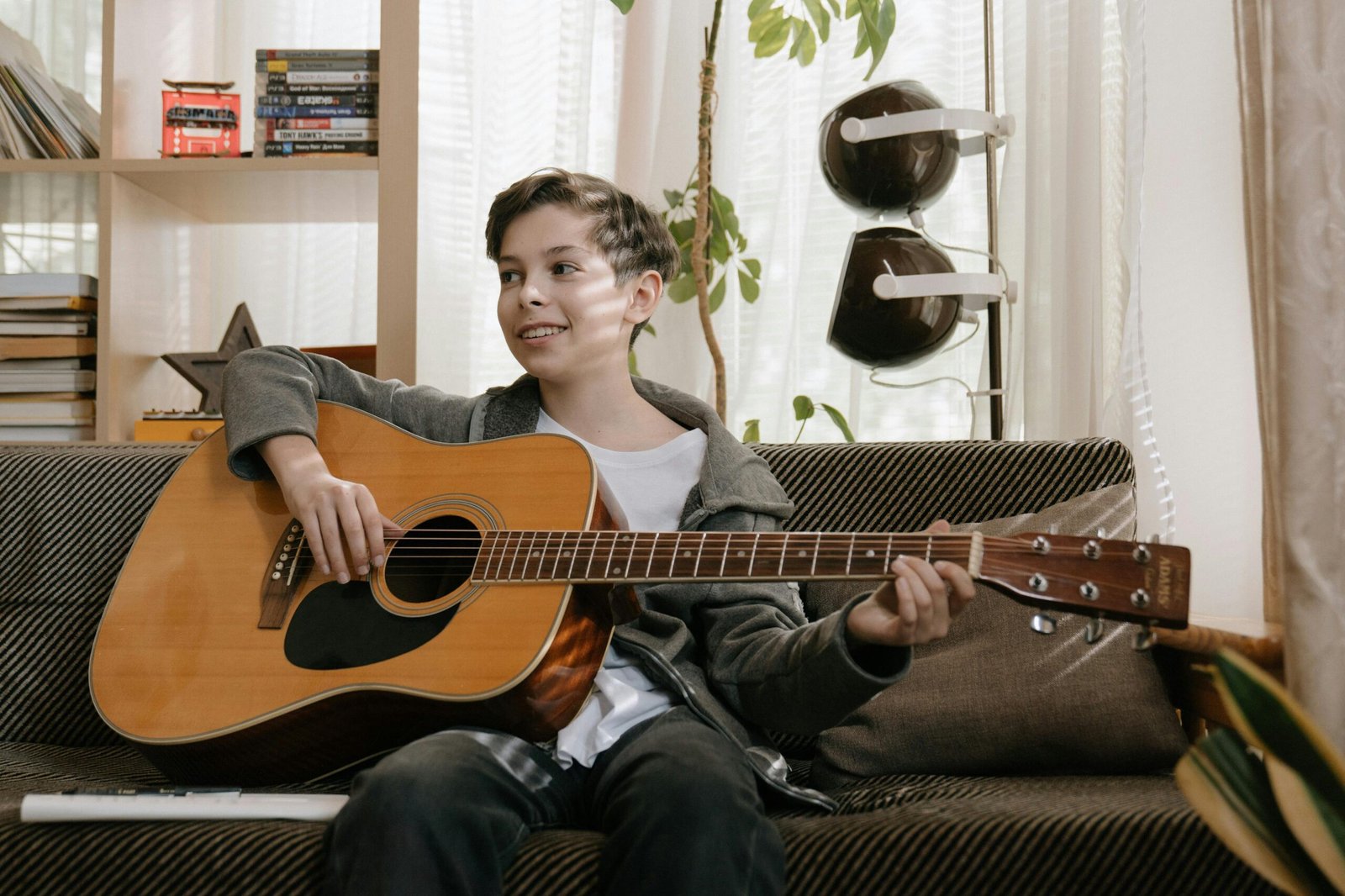
Benefits of learning musical instruments
Learn More about benefits of learning Musical Instruments for Children
Music Theory That Works for Any Instrument
The Smiley Note Method supports learning on:
piano
guitar
ukulele
flute
classroom instruments
Music theory is taught as a universal language, not just for one instrument.
Learning an Instrument? Start Here
Music theory helps children:
play with confidence
understand what they are doing
enjoy learning instruments more
If your child is learning guitar or piano, these pages may help:
About the Creator of Smiley Note

Smiley Note was created by a professional music teacher with years of experience teaching children in schools and private lessons.
The goal is simple:
Every child deserves a chance to enjoy music — in a fun, positive, and pressure-free way.
If you’d like to learn more about the teaching philosophy and free teaching tools, you can also visit:
❓ Music Theory for Kids – FAQs
Yes. Children can understand rhythm, notes, and musical concepts through pictures, stories, and activities before reading traditional notation.
Many children can start from age 4–5, depending on attention span. Activities are easily adapted for older beginners too.
Music theory helps children understand what they play, improves confidence, and supports faster progress – especially long-term.
Absolutely. The Smiley Note Method is designed so non-musical parents can support their child easily.
No. When music theory is taught in a simple, visual, and playful way, young children can understand it very easily.
The Smiley Note Method breaks music theory into:
small, manageable ideas
short activities
clear visuals and characters
This helps children learn at their own pace, build confidence, and enjoy music from the very beginning.