Free Music Theory Resources for Kids
Simple, Fun & Visual Learning with Smiley Note
Free Music Theory Made Simple for Kids
Learning music should feel fun, clear, and encouraging — especially for young children.
On this page, you’ll find free music theory resources for kids, created to help children understand the basics of music through visuals, play, and simple explanations.
These resources are ideal for:
parents teaching music at home
music teachers and classroom educators
beginner music lessons and group programs
No musical background is required.
Free Music Theory Flashcards for Kids
Our free music theory flashcards are designed to introduce young learners to music theory in a gentle, playful way.

What children learn
basic music symbols
simple note values
early rhythm concepts
visual recognition through pictures
The flashcards are:
beginner-friendly
easy to understand
suitable for ages 4+
useful for short learning moments
They can be used:
at home with parents
in music lessons
in classrooms or small groups
👉 Watch the Supporting Music Theory Videos on YouTube
Supportive Videos to Use with the Flashcards
Learning is even easier when children can see and hear music concepts in action.
The free music theory flashcards are supported by short, child-friendly videos on the Smiley Note YouTube channel. These videos help bring the flashcards to life and reinforce what children are learning.
How the videos support learning:
explain the same concepts shown on the flashcards
use visuals, stories, and friendly characters
help children recognise symbols and ideas
support different learning styles
Parents and teachers can:
watch a short video first
then use the flashcards for practice and play
repeat concepts easily and confidently
Together, the flashcards and videos create a simple, supportive learning experience for young beginners.
🎶 How to Use These Free Music Theory Resources
Music theory works best when learning is short and playful.
Simple ways to use the flashcards:
talk about one card at a time
play quick matching or memory games
use them as a warm-up before instrument lessons
support rhythm and listening activities
Even a few minutes at a time helps children build understanding and confidence.
🎵 Learning Music Theory Step by Step
Children learn best when music theory is introduced slowly and clearly.
If your child enjoys the flashcards, you may also like exploring:
rhythm and beat activities
note reading with pictures
music symbols explained simply
Free Music Theory Lessons on YouTube
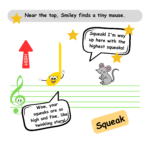
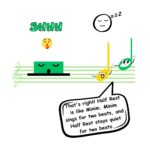
Learning music theory doesn’t have to cost anything.
The Smiley Note YouTube channel offers free music theory lessons for kids, using visuals, stories, and friendly explanations.
On the channel, children can:
learn music theory step by step
explore rhythm, notes, clefs, and symbols
watch short, engaging lessons
learn at their own pace
These videos are suitable for:
young beginners
parents learning alongside their children
teachers looking for free classroom resources
Free Resources That Support Instrument Learning
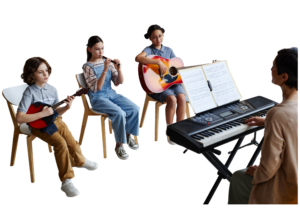
Music theory helps children feel more confident when learning instruments.
These free resources support:
beginner guitar lessons
piano learning for kids
classroom music programs
You may also find these pages helpful:
Music theory and instrument learning work best together, not separately.
Smiley Note resources are also created for teachers and educators.
Music Theory Resources for Teachers
They work well for:
classroom music lessons
beginner instrumental programs
group learning
early music education
Teachers use these resources as:
visual teaching aids
warm-up activities
discussion starters
support for mixed-ability classes
All resources are:
printable
easy to explain
classroom-tested
suitable for individual or group use
Looking for More Music Activities?
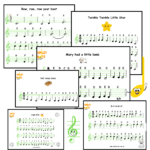
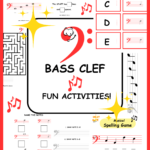
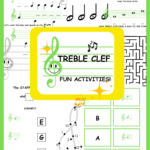
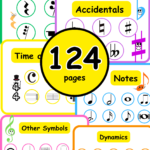
If you’re looking for more structured learning materials, the Smiley Note shop offers:
printable music theory worksheets
rhythm and note reading activities
beginner-friendly learning packs
A Gentle Start into Music Learning
Music learning doesn’t need to be overwhelming.
With simple, visual resources like these, children can:
build confidence
enjoy learning music
understand music naturally
Free resources are a starting point — and every small step helps.
❓ FAQs – Free Music Theory Resources for Kids
Are these music theory resources suitable for non-musical parents?
Yes. All resources are designed to be simple and easy to use, even if you have no musical background.
What age are these free music theory resources suitable for?
Most children can start from age 4–5, depending on attention span. Activities can be adapted for older beginners as well.
Can teachers use these resources in the classroom?
Yes. The flashcards and videos are suitable for both individual and group learning in school or studio settings.
Do children need to learn music theory before playing an instrument?
No. Music theory is taught alongside playing, helping children understand music naturally without pressure.
About the Creator of Smiley Note
Smiley Note was created by a professional music teacher with experience teaching children in schools and private lessons.The goal is simple: to help children learn music in a fun, clear, and pressure-free way, using visual resources, stories, and short activities that support both home and classroom learning.👉 Meet Mrs A – Music Teacher