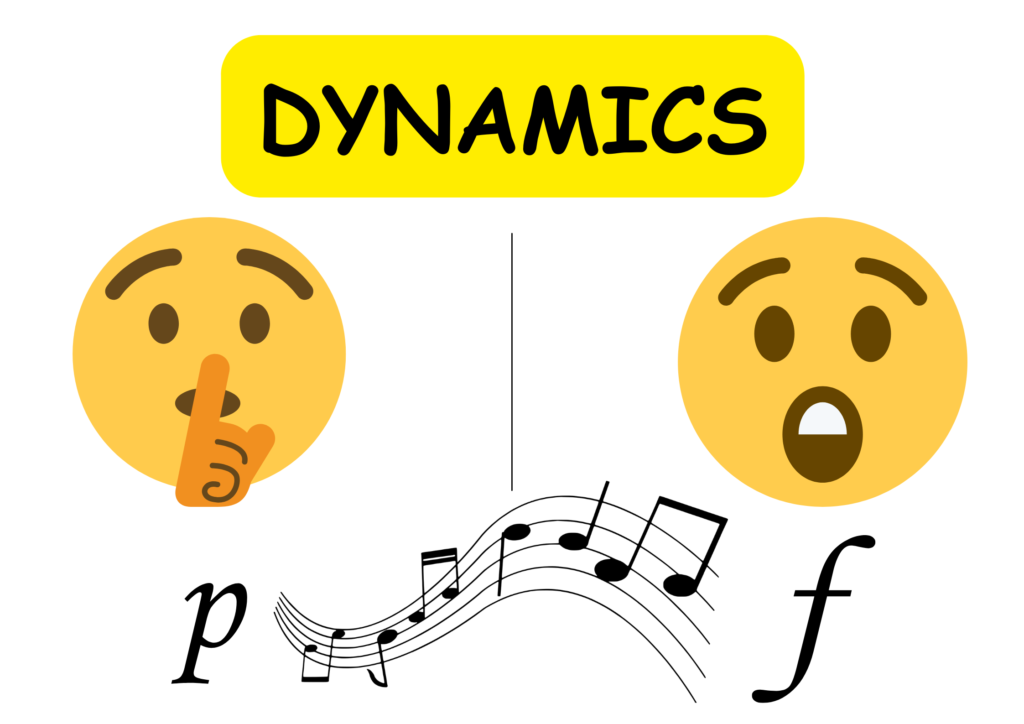
Music is not always the same volume.
Sometimes music is loud, and sometimes it is soft.
In music, loud and soft sounds are called dynamics.
Dynamics help music sound interesting, expressive, and full of feeling.
What Are Loud and Soft Sounds in Music?
Loud sounds are strong and powerful.
Soft sounds are gentle and quiet.
Dynamics tell us how loudly or softly music should be played or sung.
Children understand this very naturally because they hear loud and soft sounds every day – at home, at school, and outside.
What Does “Dynamics” Mean in Music?
The word dynamics means changes in loudness.
Dynamics help music:
- sound exciting or calm
- feel strong or gentle
- tell a musical story
At the beginning, children don’t need to remember special music words.
Understanding loud and soft is the most important first step.
🔊 Loud Sounds in Music
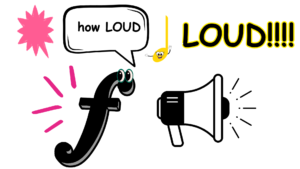
Loud music often feels:
- exciting
- energetic
- powerful
Examples of loud sounds:
- clapping hands strongly
- banging a drum
- shouting (outside!)
- fast, energetic music
Loud sounds can make music feel happy, strong, or dramatic.
🔈 Soft Sounds in Music
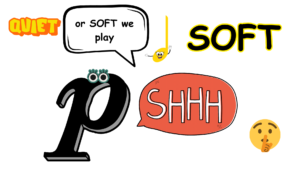
Soft music often feels:
- calm
- gentle
- peaceful
Examples of soft sounds:
- whispering
- tapping very quietly
- gentle singing
- slow, calm music
Soft sounds help music feel relaxing and smooth.
How Children Learn Loud and Soft Sounds
Children learn dynamics best through listening, movement, and play.
In real lessons, I encourage children to:
- listen carefully to the music
- notice if it feels loud or soft
- change their movement to match
For example, children might stomp loudly to loud music and tiptoe quietly to soft music. These simple experiences help dynamics make sense.
🎵 Loud and Soft Music Activities for Kids
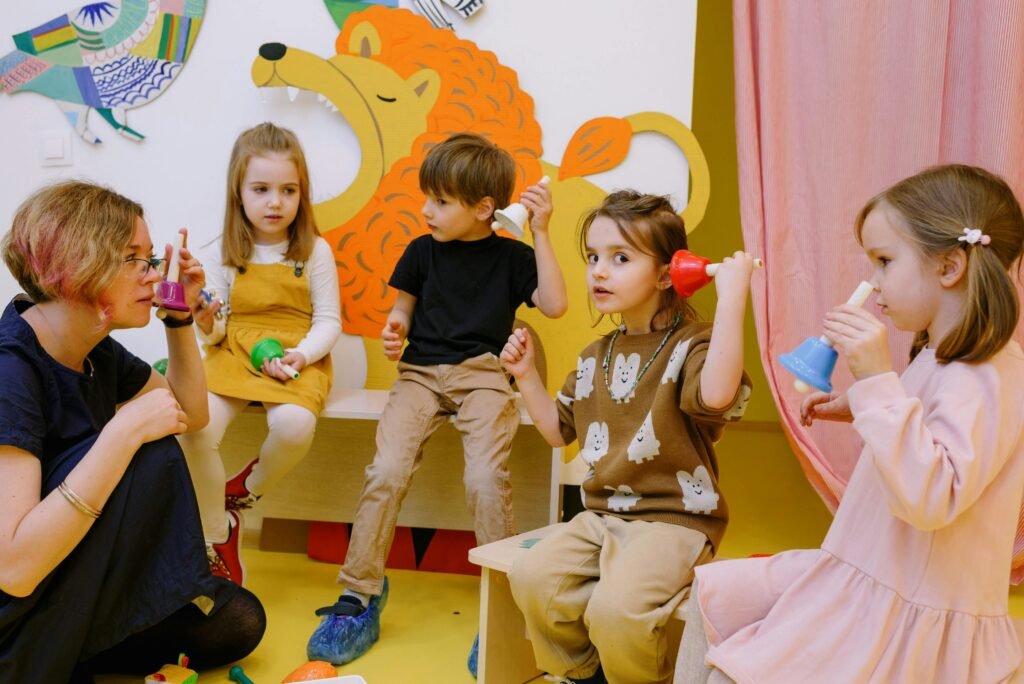
Here are easy activities parents and teachers can use anywhere.
1️⃣ Loud or Soft Listening Game
Play a short piece of music and ask:
- “Is this music loud or soft?”
Children can show the answer by:
- standing tall for loud
- crouching down for soft
2️⃣ Clap Loud, Clap Soft
Clap your hands loudly, then very softly.
Ask children to copy you.
This helps children:
- control their movement
- listen carefully
- understand contrast in music
3️⃣ Movement Match
Play music and invite children to move:
- big movements for loud music
- small, gentle movements for soft music
Scarves, arms, or walking all work well.
4️⃣ Instrument or Body Percussion
If you have instruments, play them loudly and softly.
If not, use:
- hands
- knees
- table tapping
Children can take turns leading.
🎼 Why Dynamics Are Important in Music
Understanding loud and soft sounds helps children:
- express music more clearly
- listen carefully
- play instruments with control
- enjoy music more
Dynamics also help children develop:
- focus
- coordination
- listening skills
These skills support learning beyond music too.
🎹 Dynamics and Learning Instruments
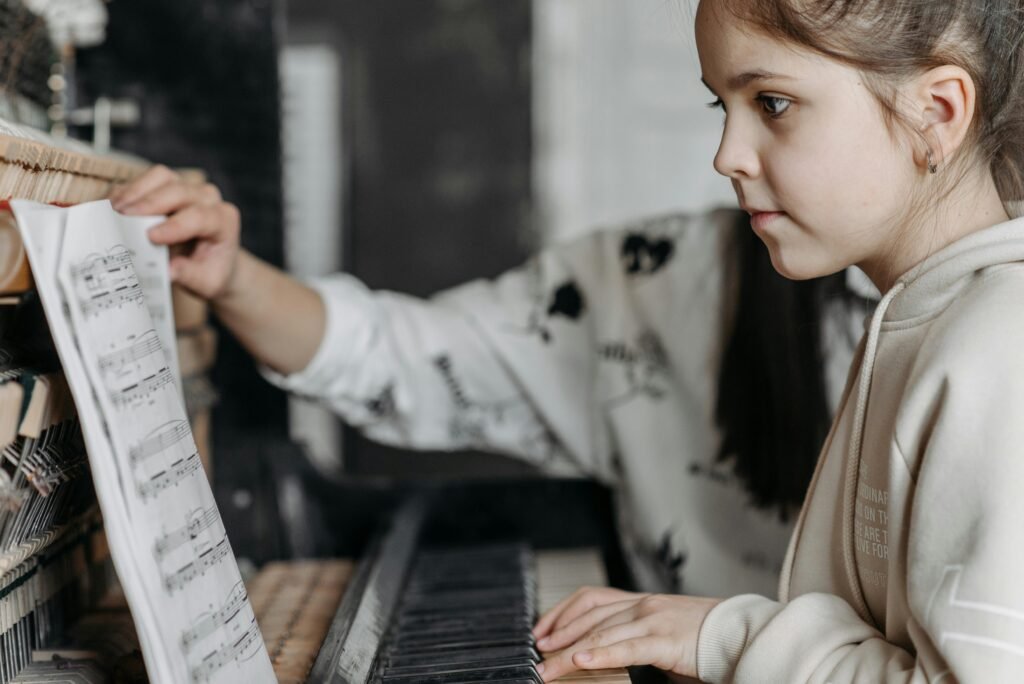
When children learn instruments like:
- piano
- guitar
- ukulele
- classroom percussion
they need to control how loudly or softly they play.
Children who understand dynamics:
- play more confidently
- sound more musical
- feel proud of their playing
Even simple awareness of loud and soft makes a big difference.
🌟 Learning Dynamics the Smiley Note Way
Music Names for Loud and Soft Sounds
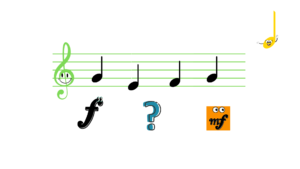
In music, loud and soft sounds also have special names and symbols.
Children don’t need to remember all of these straight away. These symbols are simply a way musicians write loud and soft sounds on the page.
Here are the most common ones:
- f (forte) means loud
- p (piano) means soft
Sometimes music needs to be very loud or very soft. That’s when we see:
- ff or fff – very loud
- pp or ppp – very soft
Watch Loud and Soft Music Videos with Smiley Note
Watching music concepts in action helps children understand them more clearly.
On the Smiley Note YouTube channel, children can watch short videos that show loud and soft sounds using visuals, movement, and friendly explanations.
These videos support different learning styles and help children remember what they hear.
👉 Subscribe to the Smiley Note YouTube Channel
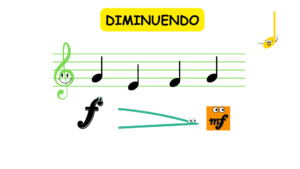
🎵 Crescendo and Diminuendo (Getting Louder and Softer)
Music doesn’t always stay the same volume.
Sometimes it slowly gets louder or softer.
- Crescendo means the music is getting louder
- Diminuendo means the music is getting softer
Children can understand this easily by:
- starting very quietly and slowly getting louder
- clapping softly, then louder and louder
- using big movements for louder sounds and small movements for softer sounds
These ideas are best learned through listening and movement, not memorisation.
🎁 Free Music Theory Resources for Kids
Visual tools and simple activities help children learn music concepts more easily.
You can explore:
- free music theory flashcards
- beginner-friendly visuals
- short learning videos
👉 Explore Free Music Theory Resources for Kids
Loud and Soft Sounds for Parents and Teachers
Parents and teachers don’t need musical training to help children learn about dynamics.
Simple moments work best:
- asking children if music sounds loud or soft
- moving together to music
- keeping activities short and playful
These small experiences help children build confidence and musical understanding.
❓ Loud and Soft Sounds – FAQs
What are dynamics in music?
Dynamics describe how loud or soft music is.
What age can children learn about loud and soft sounds?
Children can explore loud and soft sounds from a very young age through listening and movement.
Do kids need to learn music words for dynamics?
No. Understanding loud and soft is enough at the beginning.
Final Thoughts
Loud and soft sounds help children feel music more deeply.
When children learn to notice changes in volume, music becomes more expressive and meaningful. Through listening, movement, and simple activities, dynamics become easy to understand and enjoyable to use.
With gentle guidance, children learn that music is not just about notes — it’s also about how music feels.
About Me – The Teacher Behind Smiley Note
I’m a music teacher with experience teaching children through childcare music programs, school lessons, and private instrumental teaching. I’ve seen how children learn music best when concepts are explained clearly, visually, and without pressure.
Smiley Note was created from real teaching experience to help children understand music theory in a fun and supportive way — at home, in the classroom, and online.