How to Teach Instrumental Music at Schools During School Hours
Teaching music at schools during school hours is one of the most rewarding and flexible ways to work as an instrumental music teacher – especially if you want to avoid late afternoons, agencies, and burnout.
If you teach piano, guitar, ukulele, or another instrument and enjoy working with children, this page will show you how independent school-hours music teaching works, what schools look for, and how teachers get started confidently.
Teaching Any Instrument at Schools
Teaching any instrument at primary schools allows teachers to adapt lessons to their strengths and students’ interests, creating engaging, beginner-friendly music experiences during school hours.
Why More Music Teachers Are Choosing School-Hours Teaching
Many music teachers start out teaching:
-
after school
-
in the evenings
-
through agencies
-
by driving between students
While this works for a while, it often becomes exhausting – especially for parents, mums, or teachers seeking better balance.
Teaching instrumental music during school hours offers a calmer alternative
Schools benefit because:
students stay engaged and creative during the school day
parents value convenience
the school gains a stronger music program
Teachers benefit because:
-
work fits into school hours
-
afternoons are free
-
income is predictable
-
teaching feels joyful again
Can You Teach Music at Schools Without an Agency?
Yes – many instrumental teachers work independently with primary schools.
Independent music teachers:
contact schools directly
manage their own enrolments and communication
invoice parents themselves
teach using their own methods and materials
Schools often appreciate this model because it creates less admin work and more flexibility.
What Instruments Are Commonly Taught at Schools?
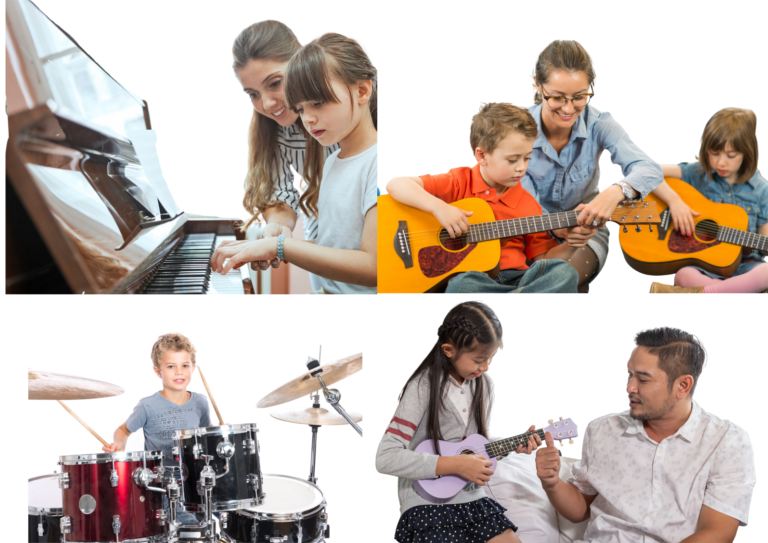
Primary schools commonly welcome lessons in:


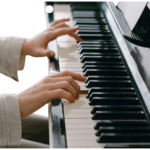
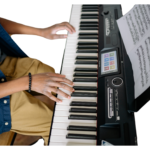
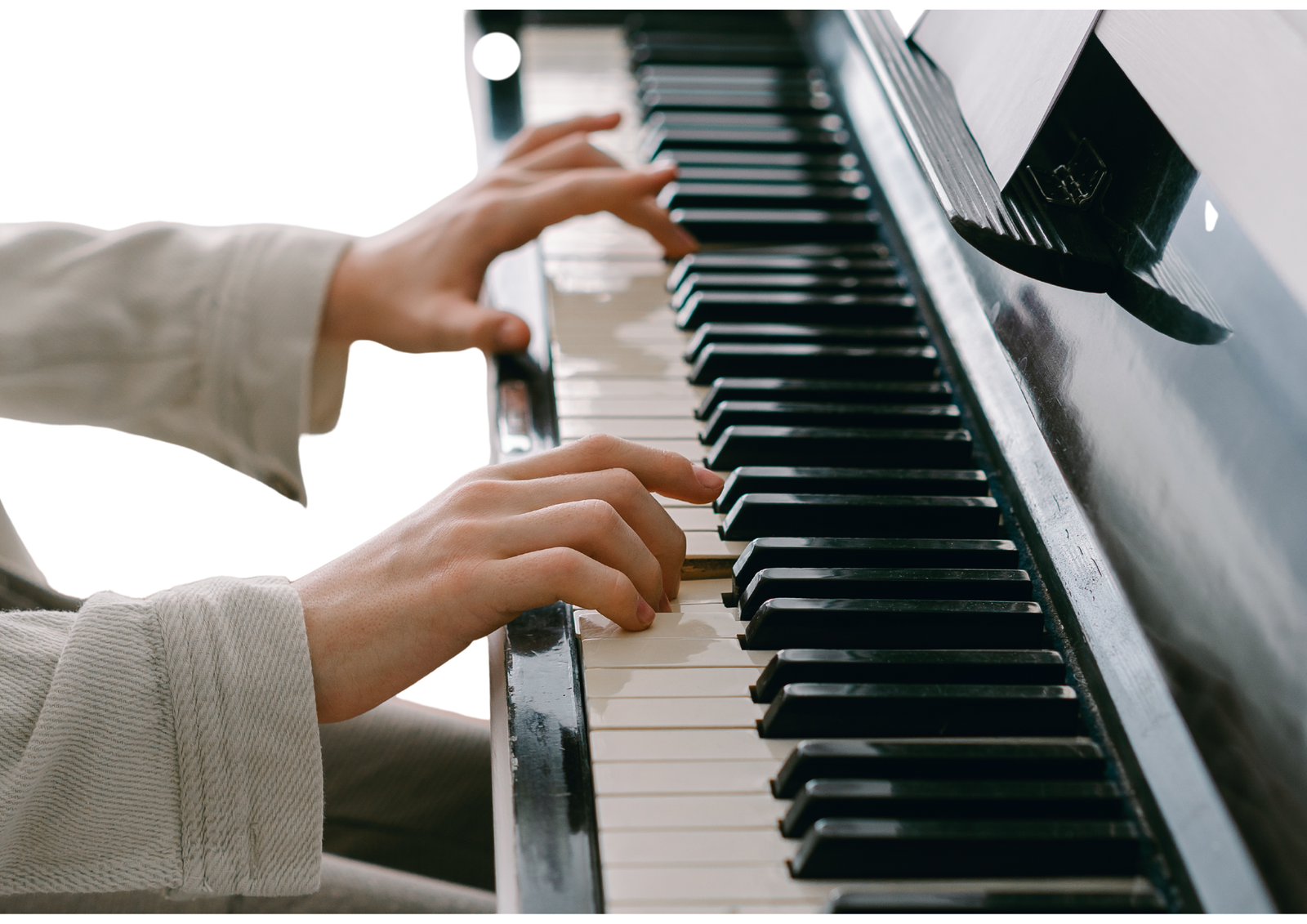
Teaching Piano at Schools
Teaching piano or keyboard at primary schools works beautifully during school hours, using short, focused lessons that build confidence and a love of music.
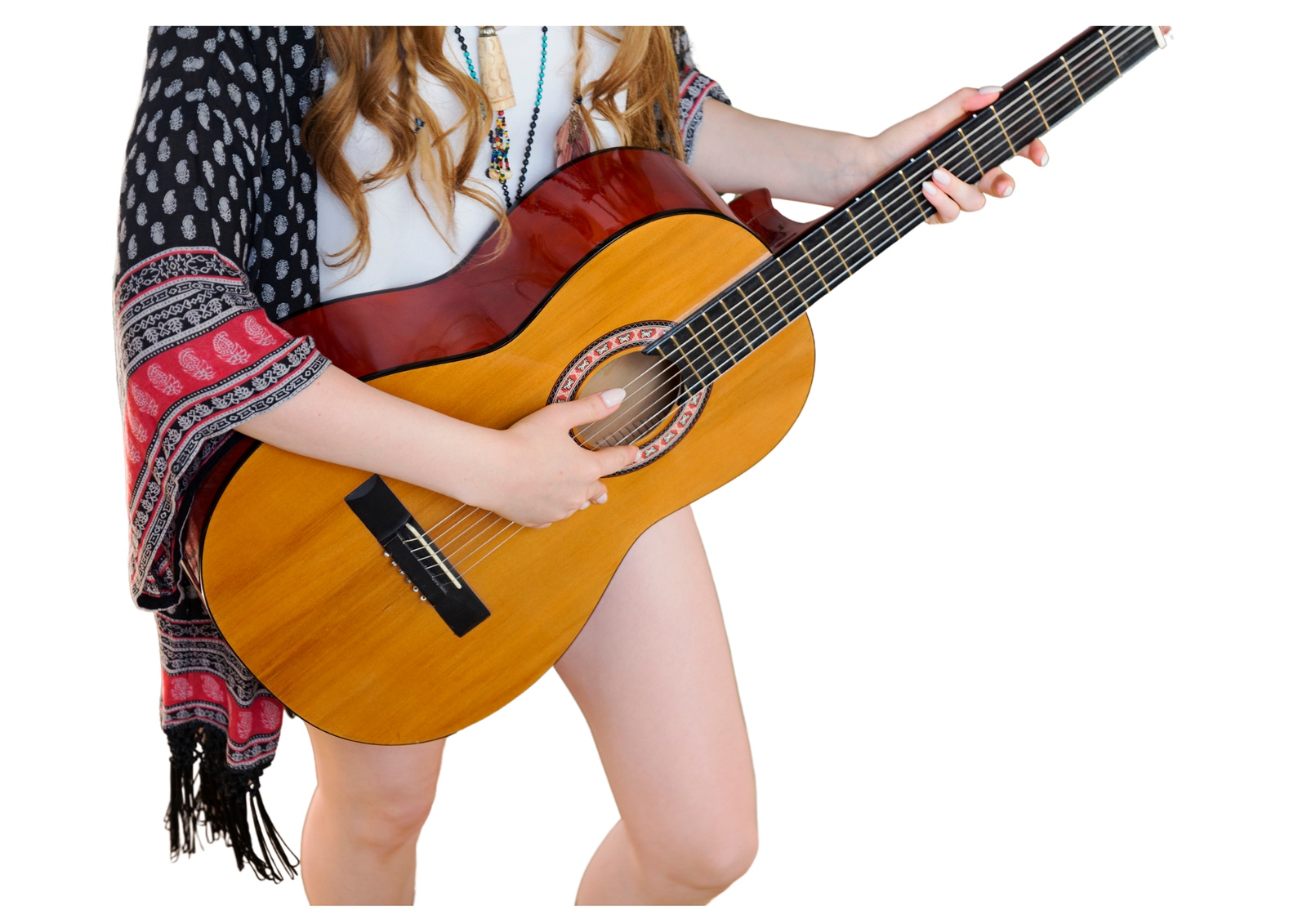
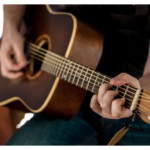
Teaching Guitar at Schools
Teaching guitar at schools is ideal for small groups or duos, helping students learn rhythm, chords, and simple songs in a fun, social way during the school day.
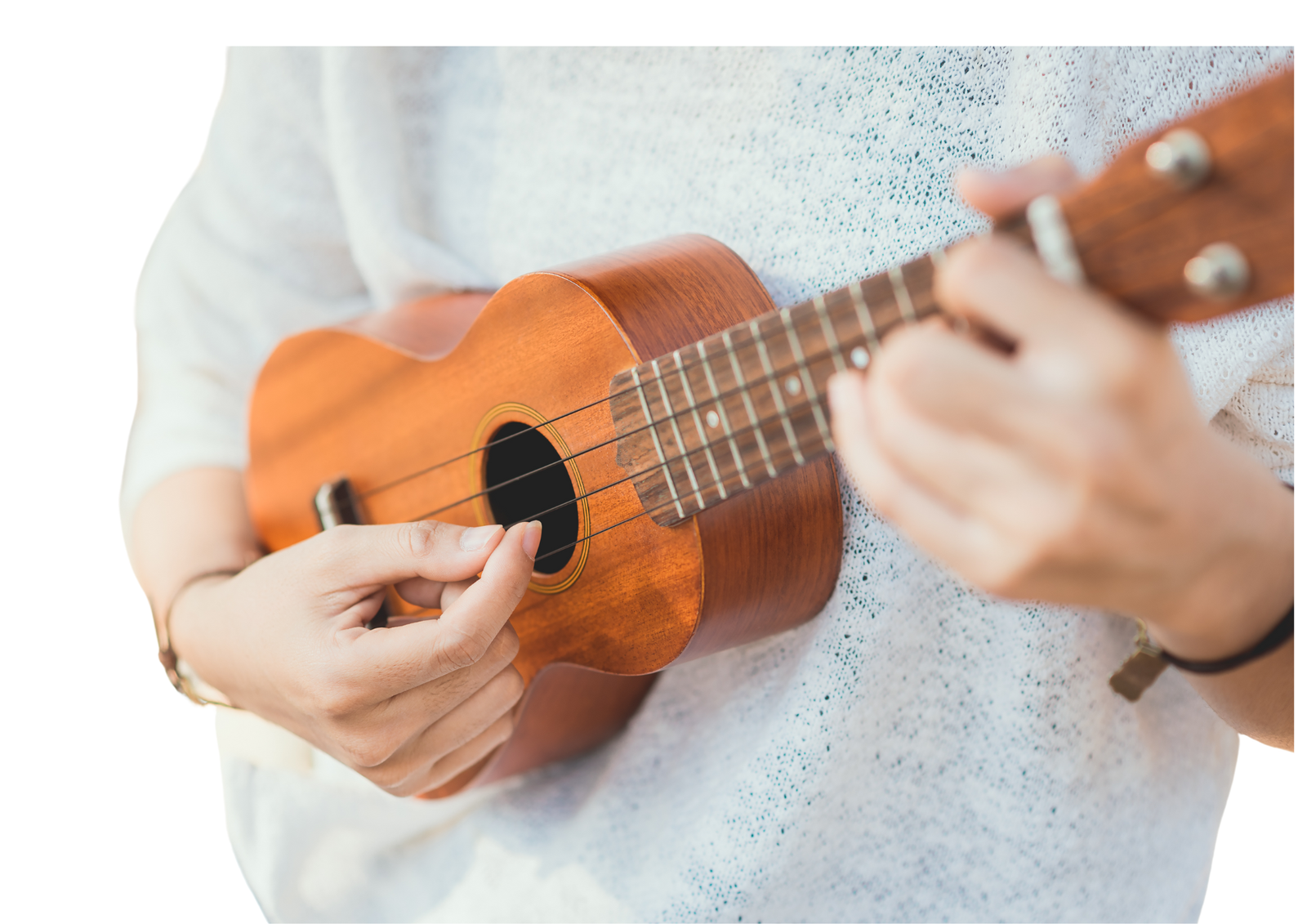
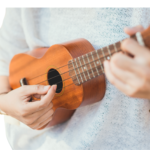
Teaching Ukulele at Schools
Teaching ukulele at schools is especially popular for beginners, as it’s affordable, easy to learn, and perfect for joyful group lessons during school hours.
Lessons are often:
individual
duo (two students)
small group lessons
This structure works especially well for younger students and beginner levels.
While every school is different, the general process looks like this
How Teaching Music at Schools Works (Overview)
1. Approaching schools
Teachers contact local primary schools and introduce the instrumental program they offer.
2. Setting up professionally
This usually includes basic requirements like a working with children check, insurance, and a clear lesson structure.
3. Running lessons during school hours
Lessons happen during the school day, often rotating times so students don’t miss the same class each week.
4. Communicating with parents
Independent teachers usually manage enrolments, invoices, and parent communication themselves.
This model allows teachers to work calmly, professionally, and independently.
Who This Path Is Best Suited For
Teaching music at schools during school hours is well suited for:
instrumental music teachers
piano, guitar, or ukulele tutors
musicians who enjoy working with children
parents or mums wanting school-hours work
teachers seeking flexibility and balance
You do not need:
- a formal music degree
- to teach exams
- to work evenings
- to join an agency
Common Questions Teachers Ask
Do I need a music degree?
No. Schools value reliability, communication, and your ability to work well with children.
Is this only for Australia?
While requirements differ by country, the general model works internationally.
Can I start part-time?
Yes. Many teachers begin with one school or one day per week.
Do schools want instrumental teachers?
Many schools actively welcome instrumental programs - especially when they are easy to run and well organised.
Do I need my own studio or classroom to teach at schools?
No. Most school-hours instrumental lessons take place in a spare classroom, music room, or quiet space provided by the school. Many teachers also bring a portable keyboard or small instruments if needed.
How long does it usually take to get your first school?
This varies, but many teachers hear back from schools within a couple of weeks, especially when approaching local primary schools.
Want a Step-by-Step System?
This page gives you an overview – but if you want exact scripts, templates, policies, and checklists, I’ve created a complete PDF toolkit based on how I run my own school-hours teaching business.
The toolkit includes:
-
how to approach schools (email + in person)
-
professional templates and scripts
-
pricing examples
-
parent communication templates
-
business setup checklist
-
real challenges and how to handle them calmly
About Me
About the Author
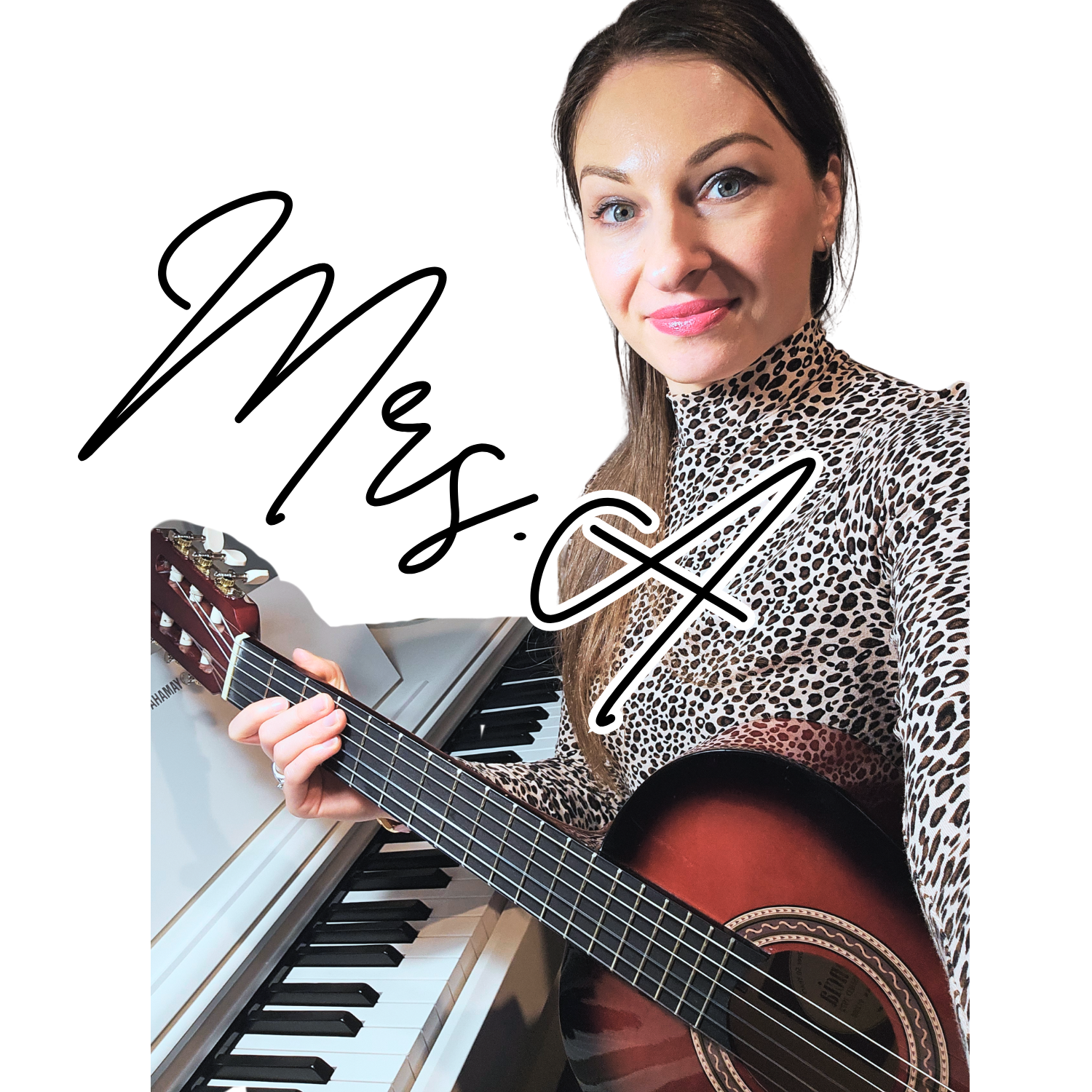
I’m Veronika (Mrs A) – a music teacher, mum, and creator of Smiley Note.
After teaching through large music agencies, I chose to work independently so I could teach my way, finish during school hours, and enjoy a balanced family life.
I now help music teachers and musicians discover calm, joyful ways to teach music – especially in school settings.