Tempo is one of the easiest music ideas for children to understand – because they can feel it straight away.
When music feels fast, we want to move quickly.
When music feels slow, we naturally slow down.
In this guide, I’ll explain tempo in music in a clear, child-friendly way, using simple words and real teaching examples.
What Is Tempo in Music?
Tempo means how fast or slow music is.
It tells us:
- how quickly the music moves
- how fast we play or sing
- how the music feels
Every piece of music has a tempo. Some music is fast and energetic, while other music is slow and calm.
Children don’t need to remember special words at first – understanding fast and slow is the perfect beginning.
Fast Music and Slow Music
Fast music feels lively and exciting.
Slow music feels gentle and relaxed.
When I teach tempo, I often ask children:
- “Does this music feel fast or slow?”
- “Do you want to move quickly or slowly?”
Children usually answer correctly without thinking – tempo is something they understand naturally.
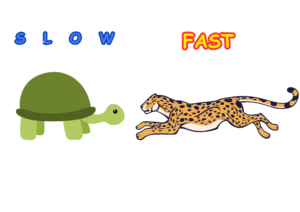
For example:
- Fast music often makes us want to run, jump, or clap quickly
- Slow music makes us sway, walk gently, or move calmly
How Tempo Feels in the Body
Tempo is not just something we hear – it’s something we feel.
In lessons, we explore tempo through:
- walking or marching
- clapping hands
- tapping knees or the floor
- moving scarves or arms
Slow music means slow movements.
Fast music means quick movements.
These simple activities help children connect music with movement, making tempo easy to understand.

Why Tempo Is Important in Music
Tempo helps music make sense.
It helps children:
- stay together when playing music
- keep a steady speed
- feel confident when singing or playing instruments
When children understand tempo, music feels more organised and enjoyable instead of confusing.
Tempo also helps children listen carefully and stay focused – skills that support learning beyond music as well.
👉 Learn more about Music Theory for Kids with the Smiley Note
🎵 Tempo and Learning Instruments
Understanding tempo is very helpful when children begin learning instruments such as:
When children can keep a steady tempo:
- playing feels easier
- songs sound better
- children feel more confident
Even simple awareness of fast and slow makes a big difference in early music learning.
Watch Tempo Videos with Smiley Note
Once children are comfortable hearing and feeling fast and slow music, they can begin to learn the names used for tempo.
In this Smiley Note video, tempo words are introduced in a clear and friendly way to help children remember them. The focus is on recognition and familiarity, not memorising definitions.
Children can watch the video after exploring tempo through movement and listening, using it as a gentle next step in their music learning.
Seeing tempo in action helps children understand it more easily.
👉 Subscribe to the Smiley Note YouTube Channel
Tempo for Parents and Teachers
Tempo is easiest for children to understand when it is explored through movement and play. These simple activities can be done at home, in the classroom, or during music time, without any special equipment.
1. Walk the Tempo
Play a piece of music and invite children to walk around the room. When the music is slow, they walk slowly. When the music is fast, they walk faster. This helps children feel tempo in their bodies and respond naturally to the speed of the music.
2. Clap Fast, Clap Slow
Clap along to music together. Start with slow claps and then try faster claps. Ask children if the clapping feels fast or slow. This simple activity builds listening skills and awareness of tempo.
3. Freeze and Move Game
Play music and let children move freely. Pause the music suddenly and ask them to freeze. When the music starts again, change the tempo. Children quickly notice when the music feels faster or slower and adjust their movement.
4. Everyday Tempo Talk
Use everyday moments to talk about tempo. For example, walking slowly to line up, running quickly in the playground, or tapping slowly on the table. Connecting tempo to daily life helps children understand it more easily.
5. Instruments or Body Percussion
If you have simple instruments, tap them slowly and then quickly. If not, knees, hands, or the floor work just as well. Children can copy the tempo and take turns leading.
Short activities like these work best. Even one or two minutes is enough to help children develop a strong sense of tempo.
❓ Tempo in Music – FAQs
What does tempo mean in music?
Tempo means how fast or slow music is.
What age can children learn about tempo?
Children can begin exploring tempo from a very young age through movement and listening.
Do kids need to learn tempo names?
No. Understanding fast and slow is the most important first step. Once children are comfortable hearing and feeling fast and slow music, they can begin to learn the names used for tempo.
Final Thoughts
Tempo helps children feel music in a natural and joyful way.
When children learn to recognise fast and slow music, they begin to listen more closely and move with confidence. Tempo becomes something they understand through experience, not memorisation.
With gentle guidance and playful activities, tempo becomes a familiar and enjoyable part of music learning — supporting children as they sing, play instruments, and enjoy music every day.
About Me – The Teacher Behind Smiley Note
I’m a music teacher with experience teaching children through childcare music programs, school lessons, and private instrumental teaching. I’ve seen how children learn best when music concepts are explained clearly, visually, and without pressure.