The Amazing Benefits of Learning a Musical Instrument for Kids
Written by Mrs A – Music Teacher & Creator of Smiley Note
The benefits of learning a musical instrument for kids go far beyond just playing songs or reading notes — it’s about building focus, confidence, and creativity that lasts a lifetime.
After years of teaching piano, guitar, ukulele, and flute, I’ve seen incredible changes in children who start learning an instrument. The shy ones begin to shine, the restless ones learn patience, and even the quiet students find their own voice through music.
Every week in my lessons, I see children grow a little more — they learn how to listen, how to express themselves, and how to believe they can achieve something beautiful. In this article, I’ll share what really happens when a child learns an instrument, the skills it builds for school and life, and why this kind of learning is one of the most valuable gifts we can give them.
⭐ Builds Focus and Memory

One of the clearest benefits of learning a musical instrument for kids is how quickly it improves their focus and memory. When children play an instrument, they’re using their eyes, ears, hands, and mind at the same time. They have to remember patterns, rhythms, finger positions, and what comes next — all while staying in time. This naturally strengthens their ability to concentrate.
I’ve seen it many times in my own teaching. Some of my most active, easily distracted students become calm and focused the moment they sit down with a guitar or piano. One boy who could never stay still in class suddenly focused for 20 minutes straight while learning a new chord pattern — simply because he was engaged and enjoying the challenge.
Music is unique because it combines structure and creativity. Children learn discipline without feeling pressured. They repeat short sections, notice progress, and remember what they’ve learned week after week. Over time, this builds not only musical memory but also confidence in their ability to learn and focus on any task — at school or at home.
⭐ Boosts Confidence and Patience

Another powerful benefit of learning a musical instrument for kids is how it builds real confidence and patience — two skills that last far beyond music.
When a child learns to play an instrument, progress comes step by step. The first few notes might sound uneven, and simple songs take time to master. But when that child finally plays through a melody on their own, you can see their face light up with pride. That moment — when they realise, “I did it!” — is where confidence grows.
I remember one of my students, a quiet girl who barely spoke during her first lessons. At first, she felt nervous touching the piano keys and would whisper, “I can’t do it.” We took it slowly, just five notes at a time, celebrating each small success. A few months later, she played “Ode to Joy” confidently in front of her class. Afterward, her classroom teacher told me, “She’s more talkative and self-assured now, even during group discussions.”
Learning an instrument also teaches patience. Mistakes are part of every lesson — and children learn that improvement takes time, not perfection. They begin to understand that slow progress is still progress. Parents often tell me they notice their children becoming calmer and more focused, not just in music but in homework and everyday routines.
Music gives children a safe, encouraging space to make mistakes, try again, and see that effort really works. That’s a lesson that stays with them for life.
⭐ Encourages Creativity and Self-Expression
One of my favourite benefits of learning a musical instrument for kids is how it unlocks their natural creativity and helps them express emotions they sometimes can’t put into words. Music gives children permission to explore — to make sounds, to try new ideas, and to turn their feelings into something beautiful.
When students can choose songs they enjoy, they instantly become more motivated. I always ask, “What’s your favourite song right now?” and we learn a simple version together. Whether it’s a pop tune, a movie theme, or a melody from a video game, the excitement of playing something familiar inspires them to keep practising.
I remember one student who loved creating her own mini tunes between exercises. Instead of stopping her, I encouraged it — we recorded her little “compositions,” and she proudly named them herself. Those short improvisations became her favourite part of each lesson. Through that freedom, she learned musical phrasing, rhythm, and confidence without even realising it.
Playing an instrument also allows children to express emotions safely. A child who struggles to talk about their day can often show how they feel through the way they play — softly, loudly, fast, or slow. Over time, this builds emotional awareness and self-confidence.
Music gives children a voice — even before words can. And that creative expression is something they’ll carry with them for the rest of their lives.
⭐ Teaches Teamwork and Listening

Another wonderful benefit of learning a musical instrument for kids is that it naturally teaches teamwork and listening — two skills that shape how children interact and communicate with others.
When students play together, whether it’s a simple duet or a small group session, they quickly learn that music only works when everyone listens. They need to follow rhythm, wait for their turn, and support each other to stay in sync. It’s a fun and practical way to develop patience and cooperation.
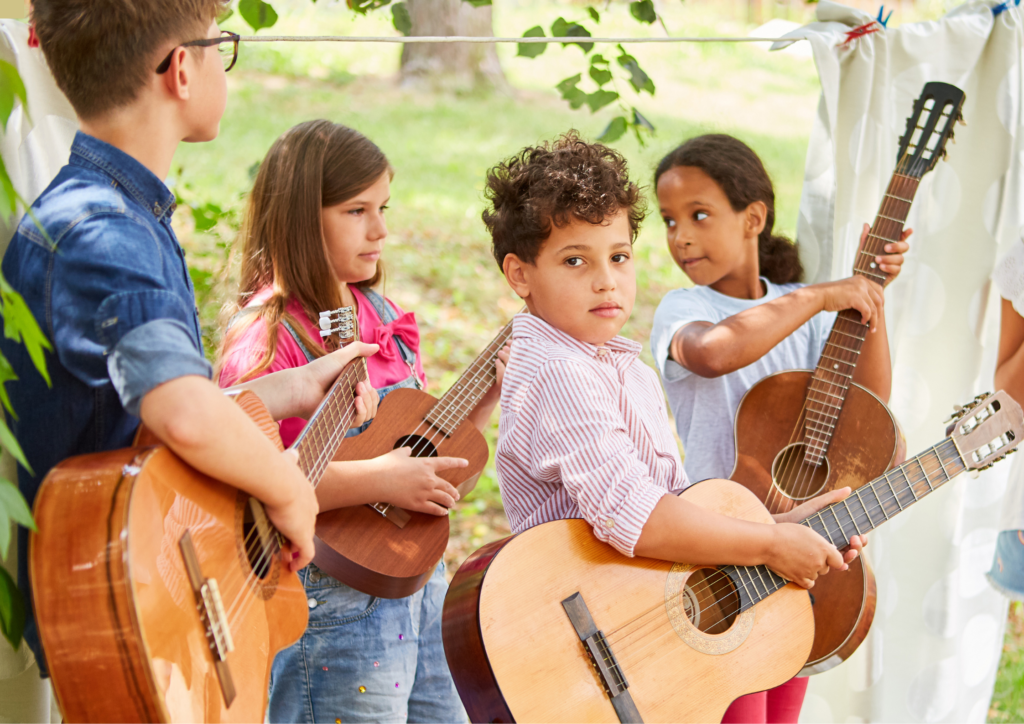
In my group guitar and ukulele lessons, I often see this transformation. At the beginning, students sometimes rush ahead or get distracted. But after a few weeks, they start listening carefully — not just to themselves, but to their classmates. One student once told me, “I didn’t realise we all have to play together like a team.” That understanding builds empathy and awareness, even outside the music room.
Music also helps children connect socially. Many of my students who were quiet or shy at first have found new friendships through shared songs and performances. Playing in a group gives them a sense of belonging and teaches that everyone’s part matters — no matter how simple it seems.
These teamwork and listening skills extend far beyond music. They help children in classrooms, sports, and life — wherever cooperation and communication matter most.
⭐ Supports Academic Learning

A less obvious but very real benefit of learning a musical instrument for kids is how much it supports academic learning. Music is closely linked to subjects like maths, reading, and language because it develops the same kinds of thinking — pattern recognition, memory, and problem-solving.
When children count beats, recognise note values, or keep a steady rhythm, they’re practising maths without even realising it. Reading music strengthens the same eye-tracking and decoding skills used in reading words. And when children sing lyrics or play melodies, they improve their listening, pronunciation, and comprehension skills.
Research from Harvard University and Frontiers in Psychology shows that music training enhances brain development in areas responsible for memory, language, and coordination. I’ve seen this firsthand — students who learn an instrument often start performing better in class because they’ve learned how to focus, repeat, and refine their work until it’s right.
One parent once told me, “Since my son started piano, he’s paying more attention in maths — he finally understands rhythm and numbers.” That’s no coincidence. Music builds the same skills, academic subjects rely on, but in a creative and enjoyable way.
When children learn music, they’re not just learning notes — they’re learning how to think.
⭐ Playing an Instrument Helps Kids Relieve Stress
One of the most overlooked benefits of learning a musical instrument for kids is how powerfully it helps them relax and manage stress.
When children play, their minds slow down and focus completely on sound, rhythm, and movement. It’s almost like mindfulness — they stop worrying about school or homework and just enjoy creating something of their own.
Playing an instrument allows children to express emotions they might not be able to say out loud, turning frustration or sadness into music. I often see this in my lessons: a child might arrive tired or upset after a long day, but after a few minutes of playing, their mood completely changes. By the end of the lesson, they’re calm, smiling, and proud of what they’ve achieved. Music gives children a positive, healthy outlet for stress — a skill that supports emotional wellbeing far beyond the classroom.
⭐ Builds Lifelong Joy and Skill
Perhaps the most lasting benefit of learning a musical instrument for kids is that it gives them a lifelong skill — something they can carry into adulthood and enjoy for years to come. Unlike many hobbies that fade with time, music stays. Once a child learns how to play an instrument, they always have a way to relax, express emotions, and find joy, no matter where life takes them.
I’ve seen this with many of my students. Some who started piano or guitar in primary school still play as teenagers — not for exams, but simply because it makes them feel good. They’ll tell me, “I play when I’m stressed,” or “I showed my friend how to play this song.” That’s when I know music has become more than a lesson — it’s part of their identity.
Learning an instrument builds independence too. Children discover they can teach themselves new pieces, follow tutorials, or play by ear. This kind of confidence carries into every area of life — they learn how to set goals, practise regularly, and enjoy their progress.
Even if they don’t become musicians, the discipline, creativity, and joy they gain from music stay with them forever. A child who learns to play today might one day share that same love of music with their own children — and that’s a gift that never fades.
How Parents Can Support at Home

One of the most common questions I hear from parents is, “How can I help my child learn if I’m not musical?” The truth is, you don’t need to know how to play an instrument to make a big difference. The benefits of learning a musical instrument for kids grow even stronger when parents show interest and create small, positive routines around music at home.
👉Music Theory For Kids
Here are some simple ways parents can support their child’s learning:
- Show interest and ask questions. After each lesson, ask, “What song are you learning?” or “Can you show me what your teacher taught you?” Children love sharing their progress.
- Encourage short, regular practice. Five to ten minutes a few times a week is far more effective than one long, stressful session. Small wins build motivation.
- Create a calm space for practice. Keep the instrument in an easy-to-access spot — not hidden away in a case or cupboard.
- Listen to music together. Talk about what you hear — the instruments, rhythm, or how the song makes you feel. It strengthens their listening skills naturally.
- Celebrate progress, not perfection. When your child plays a song from start to finish, clap, smile, or record it to show grandparents. That little bit of pride goes a long way.
Parents are the quiet supporters in every music journey. Even a few encouraging words or a short moment of listening can remind a child that what they’re doing matters. I’ve seen students who practise more just because their parents ask to hear them play. That encouragement builds confidence, consistency, and love for music — the real foundation for long-term success.
How I Teach and Why
My lessons are simple, structured, and full of joy. I always teach from good method books because I believe in giving students a clear path — learning the right technique, building finger strength, and understanding how music works. But I also make sure every lesson includes something they love to play.
Children learn best when they enjoy what they’re doing, so I often add short, familiar songs or melodies they choose themselves. We sing, play, and have fun — and at the same time, they’re learning chords, patterns, and rhythm without even realising it. They remember what they play because it’s meaningful to them.
Reading music and understanding music theory are also very important parts of my teaching. I want every student to not only play but truly understand what they’re doing — to recognise notes, rhythms, and patterns so they can learn new songs on their own.
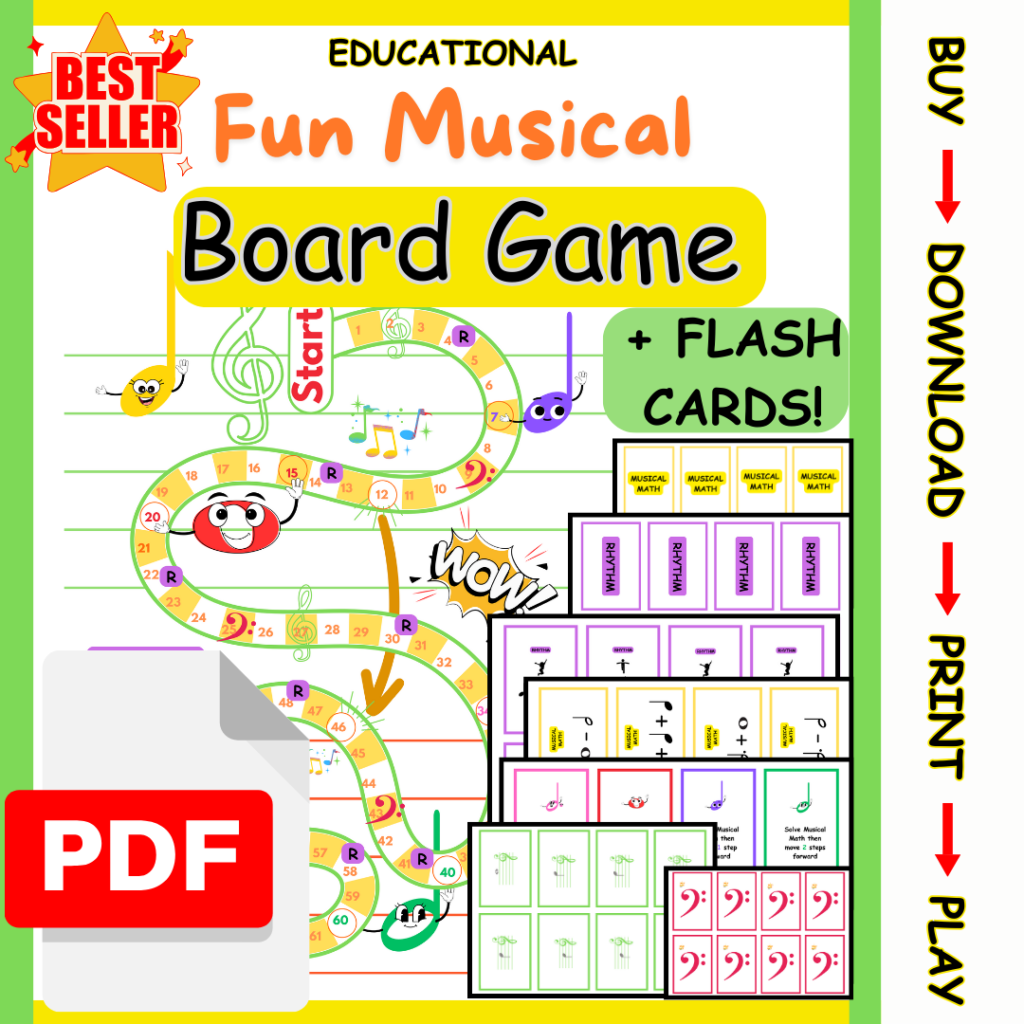
For my youngest students, especially in Prep and Grade 1, I use my own Smiley Note characters to make learning theory simple and fun. The colourful notes and friendly faces help children remember what each symbol means and feel excited about learning.
This balance — structure, creativity, and joy — is what makes my lessons work. Students learn properly, make progress, and most importantly, they stay happy and confident in their music journey.
Learning Through Your Child’s Favourite Songs
One of the easiest and most joyful ways for children to learn music is through the songs they already love. When a student recognises a tune and can play it themselves, their eyes light up — and that excitement becomes the best motivation to keep learning.
That’s why I always encourage learning through favourite songs. Whether it’s a simple pop melody, a movie theme, or a song from a game, I adapt it so children can play a short, easy version suited to their level. They learn chords, rhythm, and note reading in a natural, enjoyable way.
Many parents tell me, “My child practises without being reminded now!” — and that’s exactly what happens when learning feels personal. Children are proud to show off songs they recognise and even start to sing while playing.
On my Mrs A Tutorials, I share short, step-by-step videos that help kids and parents learn these kinds of pieces together at home. Each tutorial is designed to make learning simple and fun — just like in my lessons. You can choose songs your child loves and play along together.
Because when music connects to joy and emotion, learning becomes effortless — and that’s where true progress begins.

Final Thoughts
After many years of teaching, I’ve learned that the real benefits of learning a musical instrument for kids aren’t just about music — they’re about life. I’ve watched children grow from hesitant beginners into confident, focused learners who believe in themselves. I’ve seen how the simple act of practising a few notes can teach patience, determination, and pride in progress.
Every week, I see the same transformation: children who start shy or unsure begin to smile when they realise, “I can do this.” Teachers notice their focus improving in class. Parents tell me their children are calmer, happier, and more confident. These are not small changes — they’re lasting ones.
Music gives children something truly special — a skill, a passion, and a way to express who they are. Even if they never choose music as a career, they’ll carry its lessons forever: persistence, creativity, teamwork, and the joy of doing something meaningful.
If you’ve been thinking about helping your child learn an instrument, start now. You don’t need perfection, long hours, or fancy goals. All you need is curiosity, encouragement, and a belief that music should be part of every child’s story.
Because when a child learns to play, they don’t just learn music — they learn confidence, joy, and the sound of their own potential.

Hi, I’m Veronika – Mrs A, a passionate music teacher and the creator of Smiley Note.
I teach piano, guitar, ukulele, and flute to beginners of all ages, and I help teachers and parents make learning music simple, creative, and fun.
After years of teaching in Australian primary schools, I’ve learned that children learn best when music feels joyful and pressure-free. My approach focuses on playing real songs, using imagination, and building confidence through small, meaningful progress.
I love showing parents how to enjoy music with their kids, and helping new teachers start their own flexible, school-hours teaching careers. Through my videos, printables, and courses, I share everything I’ve learned about making lessons engaging and enjoyable — even for complete beginners.