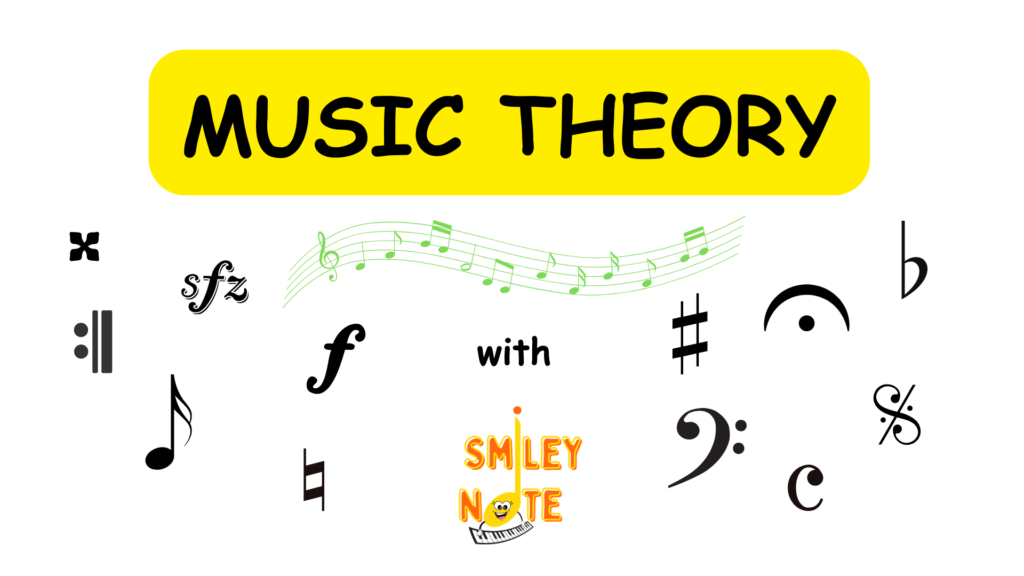
Many children think music theory is hard because they believe they have to remember too many rules and names.
But music theory doesn’t need to work that way.
With the right approach, music theory becomes something children simply recognise and understand over time, just like letters, numbers, or road signs.
This is the idea behind the Smiley Note way of learning music.
Music Theory Is About Recognition, Not Pressure
Music theory is often taught as something children must memorise.
In reality, children learn best when they are allowed to:
- see music symbols often
- recognise familiar shapes
- connect symbols with sound and movement
- understand ideas gradually
Children don’t need to explain everything in words. Being visually familiar with music symbols is a powerful first step.
Children Can Learn Music Theory Before They “Understand” It
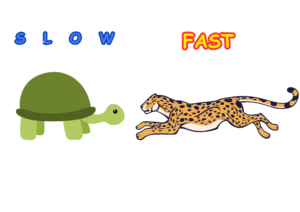
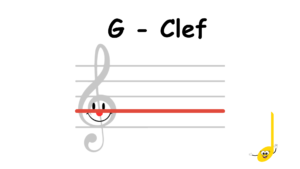

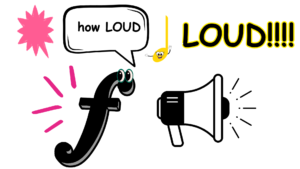
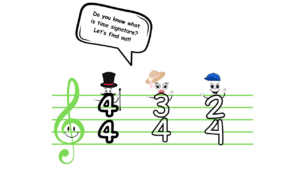
Just like children recognise letters before they read, children can recognise music symbols before they fully understand them.
For example, children can:
- recognise notes on the staff
- notice loud and soft symbols
- see tempo words like fast or slow
- spot rests and pauses in music
They may not explain what each symbol means yet – and that’s perfectly fine.
Recognition comes first. Understanding grows later.
Visual Learning Makes Music Theory Easier
Music theory becomes much easier when children see it regularly.
Visual learning helps children:
- feel familiar with notes and symbols
- recognise patterns in music
- feel confident when opening a music book
- avoid feeling overwhelmed
This is why Smiley Note focuses on:
- clear visuals
- simple symbols
- friendly characters
- repetition without pressure
👉 Explore Music Theory for Kids with the Smiley Note Method
Music Symbols Children Learn to Recognise
With gentle, visual exposure, children become familiar with many music ideas, such as:
- music notes on lines and spaces
- note values (long and short sounds)
- loud and soft symbols (dynamics)
- tempo ideas (fast and slow music)
- rests and silence
- sharps, flats, and natural signs
Children don’t need to memorise names straight away. Simply recognising these symbols helps music reading feel natural later on.
🎶 Why This Builds Confidence
When children regularly see music symbols in a friendly way, they stop feeling scared of them.
Instead of thinking:
“This looks too hard”
They begin to think:
“I’ve seen this before.”
That feeling of familiarity builds confidence and makes learning instruments and reading music much easier.
Music Theory Supports Instrument Learning
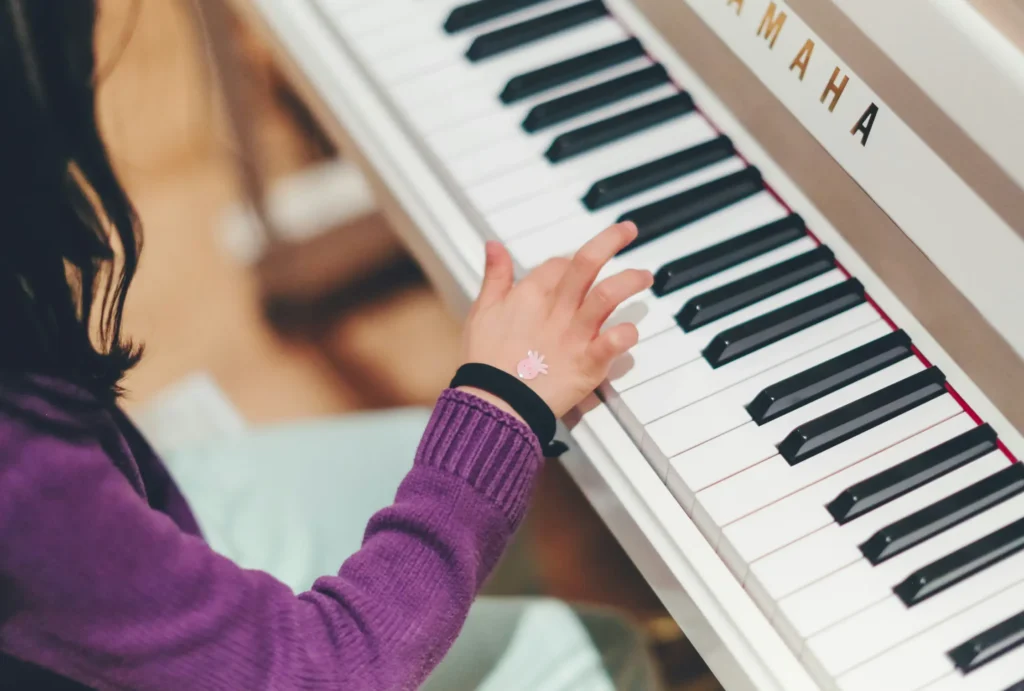
When children start playing instruments, music theory is already there – on the page.
Children who recognise music symbols:
- feel less confused
- follow music more easily
- stay focused during lessons
- enjoy playing more
Music theory becomes a support, not a barrier.
🌟 The Smiley Note Way of Learning Music Theory
The Smiley Note approach focuses on:
- recognising music symbols
- understanding ideas slowly
- learning through visuals and repetition
Children are not tested or rushed. They are simply invited to notice, recognise, and become familiar with how music looks and works.
Over time, music theory becomes something children understand naturally — because it already feels familiar.
For Parents and Teachers
Parents and teachers don’t need to explain everything.
Supporting music theory learning can be as simple as:
- pointing out a symbol
- saying its name
- letting children see it often
- keeping learning calm and positive
Small moments of recognition are enough.
Final Thoughts
Music theory doesn’t have to be hard, serious, or stressful.
When children are allowed to see music theory often, recognise symbols, and build familiarity at their own pace, learning becomes natural.
Music theory is not about memorising rules — it’s about helping children feel comfortable with how music looks, sounds, and works.
That’s what Smiley Note is all about.
About Me – The Teacher Behind Smiley Note
I’m a music teacher with experience teaching children through childcare music programs, school lessons, and private instrumental teaching. I’ve seen that children learn music best when ideas are introduced visually, clearly, and without pressure.
Smiley Note was created from real teaching experience to help children recognise and understand music theory in a friendly and supportive way — at home, in the classroom, and online.

👉 Go to About Page